

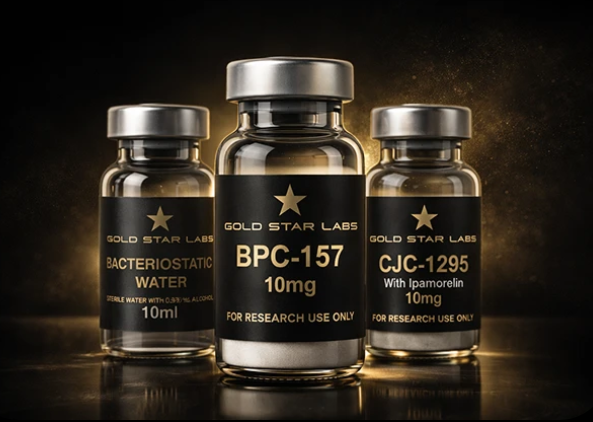
Buying research compounds online can feel overwhelming, especially with so many suppliers claiming top quality and fast turnaround times. Not every seller follows proper standards, and some cut corners on testing, storage, or documentation. Knowing what separates a trustworthy vendor from a risky one helps researchers protect their work, their budget, and their time before placing an order today.
Why Vendor Selection Matters
Choosing where to buy peptides in Australia sets the tone for every research project from the very first order onward. A reliable supplier reduces risk, saves valuable time, and ensures the compounds received consistently match what was originally ordered and clearly labelled on arrival.
1. No Certificate of Analysis Provided
A missing certificate of analysis is one of the clearest warning signs a buyer can encounter. Legitimate suppliers provide batch-specific documentation showing purity levels, testing methods, and verification from an independent laboratory for every single product sold on their site.
Without this paperwork, buyers have no reliable way to confirm what they are actually receiving in each shipment. Requesting a current COA before purchase should always be treated as a standard, non-negotiable step in any serious buying process.
2. Unrealistically Low Prices
Prices that seem far below the market average often signal compromised quality, diluted products, or corners cut somewhere along the supply chain. Producing properly tested, pure compounds involves real laboratory and operational costs, and rock-bottom pricing usually means something important has been sacrificed.
Researchers who buy peptides in Australia should compare pricing across several established suppliers rather than chasing the cheapest option available online. Consistent quality typically comes paired with a fair, transparent, and reasonably competitive price point.
3. Vague or Missing Storage Instructions
Reputable suppliers clearly outline how products should be stored, whether refrigeration or freezing is required, and how long stability lasts once a compound has been reconstituted. Vague or absent instructions suggest a lack of technical understanding or care.
Proper storage protects compound integrity and overall research accuracy from start to finish. If a seller cannot explain handling requirements clearly and confidently, it raises real concerns about their broader knowledge and commitment to product quality standards.
4. No Verifiable Business Information
A trustworthy supplier lists a physical address, working contact details, and clear business registration information somewhere on their website. Anonymous websites with no verifiable identity make it difficult, or sometimes impossible, to resolve issues or confirm accountability later on.
Before ordering, buyers should search for genuine reviews, business registration records, and any independent third-party feedback available online. Transparency about who actually operates the company is a strong indicator of long-term reliability and professionalism.
5. Inconsistent Product Labelling
Labels that vary noticeably between batches, contain spelling errors, or lack clear concentration details all point toward poor quality control somewhere in production. Consistent, professional labelling reflects a manufacturing process that is genuinely built around accuracy and standardisation.
Mismatched labelling can also indicate repackaging from unknown or unverified sources further down the chain. Buyers should compare packaging across multiple orders and flag any supplier whose labels change unpredictably without clear explanation or prior notice.
6. Poor Communication and Support
Slow responses, vague answers, or a general unwillingness to address technical questions suggest a supplier is not equipped to support serious research needs. Clear, confident communication reflects genuine operational maturity and real product expertise behind the scenes.
A dependable vendor should be able to explain sourcing, testing procedures, and shipping timelines without hesitation or evasiveness. If support feels dismissive, scripted, or slow to respond, it is worth reconsidering that relationship entirely before committing further.
7. No Clear Return or Refund Policy
Suppliers without a documented return or refund policy leave buyers exposed if products arrive damaged, incorrect, or clearly below expected quality standards. Clear, written policies reflect genuine confidence in consistent product standards and customer outcomes.
Before finalising any order, reviewing the return process carefully protects against unnecessary loss down the line. A transparent policy signals that the supplier truly stands behind what they sell, order after order after order.
Choosing a Trustworthy Peptide Supplier
Avoiding these red flags helps researchers make safer, more informed purchasing decisions with every order they place. Documentation, transparency, and consistent communication remain the clearest signs of a reliable supplier worth trusting long term.
Companies such as Gold Star Labs operate within Australia’s research compound space. They understand these warning signs, which equip buyers to evaluate any vendor more carefully. This helps to ensure research work is consistently built on dependable, well-verified sourcing rather than guesswork or convenience alone.