
SEO (Search Engine Optimization) is not new. It has been used for many years to rank websites on Google and other search engines. But now in 2026, things are changing very fast because of Artificial Intelligence (AI).
Today we are moving from Traditional SEO to AI SEO. This change is making a big difference in how websites get traffic, how content is written, and how search engines show results.
In this blog, we will understand AI SEO vs Traditional SEO in very simple language.
What is Traditional SEO?
Traditional SEO means optimizing a website so it can rank on search engines like Google.
It includes:
- Using keywords in content
- Creating backlinks
- Writing blog posts
- Optimizing titles and meta descriptions
- Improving website speed
- Mobile-friendly design
Example:
If someone searches “best laptop 2026”, Google shows websites that have:
- Good keywords
- Strong backlinks
- High authority
Traditional SEO mainly focuses on search engines.
What is AI SEO?
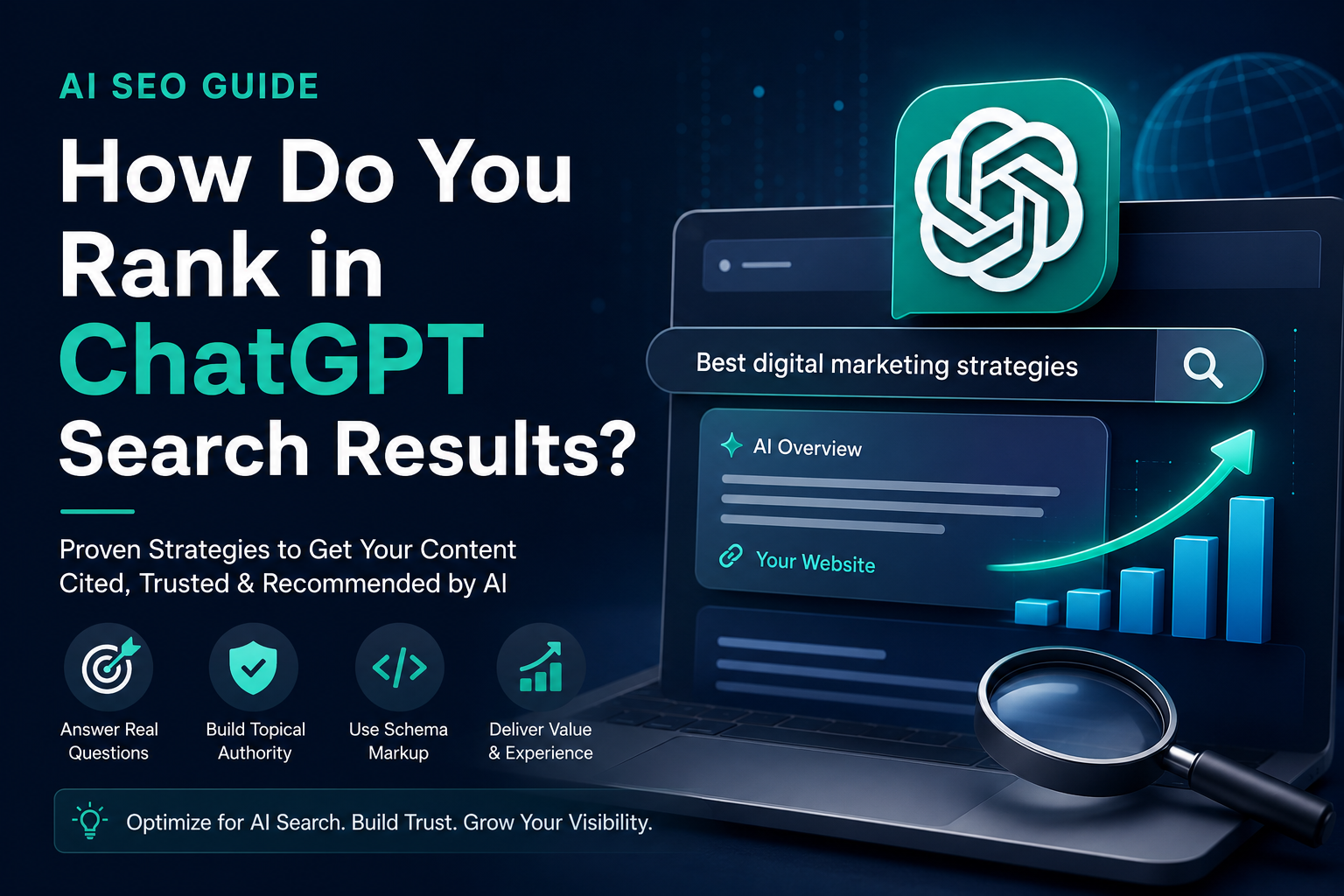
AI SEO means optimizing content not just for search engines, but also for AI systems like ChatGPT, Google AI Overviews, Bing AI, and voice assistants.
AI SEO focuses on:
- Understanding user intent (what user really wants)
- Creating natural language content
- Structured and clear answers
- Semantic search (meaning-based search)
- AI-generated summaries and answers
Example:
Instead of just ranking a blog, AI may directly show your content in an AI answer box.
AI SEO focuses on AI systems + users, not only search engines.
Key Differences: AI SEO vs Traditional SEO
1. Focus Area
- Traditional SEO → Search engine ranking (Google page 1)
- AI SEO → AI answers, chat results, voice search, summaries
2. Keywords vs Intent
- Traditional SEO → Keyword-based (exact words matter)
- AI SEO → User intent-based (meaning matters more)
Example:
- Old SEO: “best phone India 2026”
- AI SEO: understands “Which phone should I buy in India under budget?”
3. Content Style
- Traditional SEO → Long blogs with keyword stuffing
- AI SEO → Simple, clear, human-like answers
AI prefers content that is:
- Easy to understand
- Direct
- Structured
4. Ranking System
- Traditional SEO → Backlinks + domain authority
- AI SEO → Content quality + relevance + clarity
Backlinks are still important, but not the only factor.
5. Search Experience
- Traditional SEO → User clicks links and reads websites
- AI SEO → User gets direct answers without clicking many websites
Why AI SEO is Growing in 2026
AI is now part of every search engine. Google, Bing, and other platforms are using AI to give faster answers.
Main reasons:
- People want quick answers
- AI tools are everywhere
- Voice search is increasing
- Mobile users prefer summaries
- Search engines are becoming smarter
How AI is Changing SEO in 2026
1. AI Search Results (Zero Click Searches)
Many users now get answers directly from AI without visiting websites.
Example:
You search “What is SEO?”
AI gives direct answer on top.
2. Content is More Important Than Link
Google AI now understands content meaning deeply.
So:
- Good content > more backlinks
- Clear explanation > keyword stuffing
3. Voice Search Growth
People use voice assistants like:
- “Hey Google”
- “Siri”
- “Alexa”
These systems use AI SEO logic.
4. AI Content Creation
AI tools help in:
- Writing blogs
- Optimizing SEO
- Finding keywords
- Improving readability
But human editing is still important.
5. Personal Search Results
AI shows different results for different users.
Example:
Two people search same query → different answers based on:
- Location
- Interests
- Search history
How to Do SEO in AI Era (2026 Tips)
1. Write Simple Content
Use easy English. Avoid complex words.
2. Focus on User Questio
Write answers like:
- What is this?
- How does it work?
- Why is it important?
3. Use Topic Clusters
Instead of one blog, create many related blogs.
4. Optimize for AI Tools
Make content:
- Structured
- Clear headings
- Bullet points
- Short paragraphs
5. Build Authority
Even in AI SEO, trust matters:
- Good website design
- Quality content
- Real information
6. Update Content Regularly
AI prefers fresh and updated content.
Future of SEO: AI + Human SEO
SEO is not dying. It is evolving.
Future SEO will be:
- AI-powered
- User-focused
- Experience-based
- Multi-platform (Google + AI tools + voice search)
Humans will still be needed for:
- Creativity
- Strategy
- Real experience content
AI will help, but not fully replace humans.
Conclusion
In 2026, SEO is no longer just about Google ranking. It is about AI understanding your content and giving direct answers to users.
Traditional SEO is still useful, but AI SEO is the future.
If you want success in digital marketing, you must learn both:
- Traditional SEO basics
- AI SEO strategies
The combination of both will help you grow faster in this new AI-driven world.