
Shipment stories consist of their place of origin, value, transit time requirements, and the consequences associated with the non-delivery. The selection of the means of transport in Canada, either domestic or international, affects all these aspects: the cost, transit time, risks, and logistics complexity of delivery.
The key issue here is the choice of a freight forwarding agency. They not only deliver cargo but also arrange and coordinate the whole process, manage the documentation, handle the customs clearance procedures, book the capacities of different carriers, and solve problems that may occur at any stage of delivery. The knowledge of the features of various modes of transportation and their place in the Canadian freight market will help to make wise decisions regarding shipment.
This post gives an overview of forwarding services by various means of transport: their advantages, drawbacks, and areas of application.
Air Freight: Speed at a Premium
When time is the dominant variable, a production line is waiting on components, a seasonal product has a hard launch window, or a high-value shipment where inventory carrying costs outweigh transport expenses, air freight is the answer. It’s the fastest mode available for international shipments, with typical transit times between Canada and major global markets measured in days rather than weeks.
Canada’s major air cargo hubs, Toronto Pearson, Vancouver International, and Montreal-Trudeau, handle substantial volumes of both commercial belly freight (cargo moved in passenger aircraft) and dedicated freighter services. The constraint, as most shippers know, is cost. Air freight rates run significantly higher than ocean or rail on a per-kilogram basis, sometimes five to ten times more, depending on the lane and commodity. Air freight also comes with strict size and weight limitations, restrictions on hazardous materials, and limited capacity for oversized goods that won’t fit in an aircraft hold.
For freight forwarders, the value they add to air shipments is primarily in consolidation, documentation, and customs coordination.
Ocean Freight: Volume, Distance, and Competitive Rates
Maritime transportation plays a key role in international business transactions. In terms of costs for Canadian importers and exporters shipping in large volumes via transoceanic routes, ocean freight stands out as the cheapest mode. It is the container vessels connecting ports of Canada, namely Vancouver, Prince Rupert, Montreal, and Halifax, with ports in Asia, Europe, and South America that handle most of Canada’s international trade.
The problem with maritime freight is its relatively long delivery time. On average, it takes twenty to thirty days for a shipment to reach Vancouver from Shanghai. Taking into account additional transport operations inland from the point of origin to the point of destination, as well as port and customs clearance procedures, delivery time can easily be prolonged to six weeks or more.
Rail Freight: The Underutilized Middle Ground
Among the many shipping methods in use in Canada today, rail freight remains one of the least used, although Canada boasts an extensive rail network. Together, CN Rail and CPKC run transcontinental rail networks that span the distance from Vancouver and Prince Rupert through to Toronto, Montreal, and the U.S. Midwest cities. These rail lines present shippers a middle ground for their shipping needs as compared to trucking and sea shipping.
As a freight forwarder overseeing intermodal rail transport, it is your responsibility to organize the drayage. Drayage involves short truck hauls that link your warehouse to the rail ramp and onward from there to your destination and the recipient’s warehouse. One thing you need to know about intermodal rail transportation is the knowledge of drayage capacity and cutoffs of major intermodal facilities in Toronto, Calgary, and Vancouver.
Truck Freight: Flexibility, Coverage, and Last-Mile Control
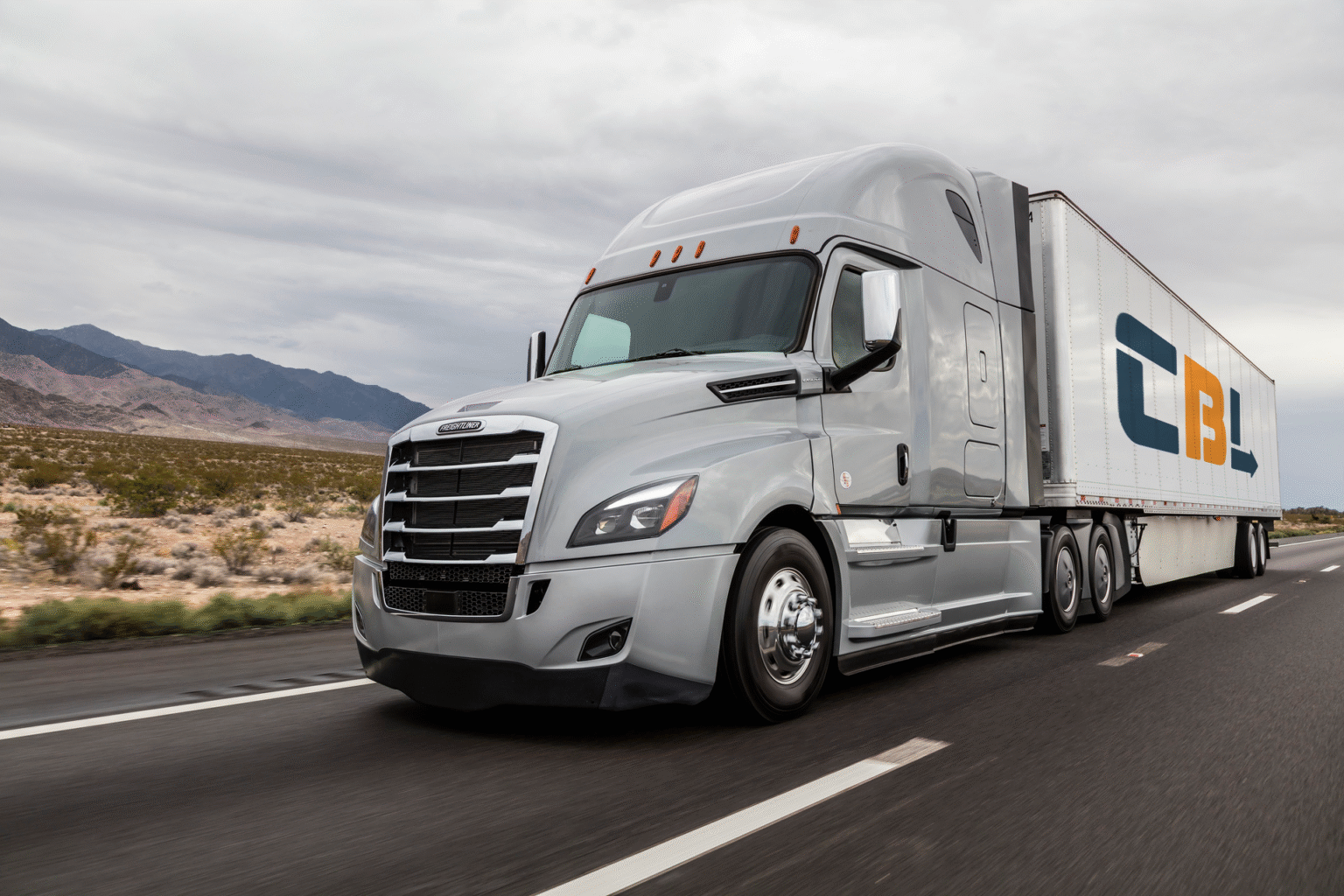
Trucking is the preferred option for both intra-Canadian and cross-border freight movement into the U.S. for one simple reason: trucks provide door-to-door delivery, flexible scheduling of pickups and deliveries, transportation to almost all geographic areas of the nation, including regions outside of rail access, and the shortest transit times of any surface transport mode.
Freight forwarders specializing in trucking in Canada provide their clients with carrier network depth, knowledge of regulatory requirements, and visibility of trucker capacities that no shipper could develop on their own. They know which trucking carriers have access to the FAST lane at major cross-border points, which routes are tight during harvest or winter seasons, and how to package the paperwork to prevent the dreaded CBP hold-ups turning a two-day cross-border delivery into a week-long fiasco.
Choosing the Right Mode and the Right Partner
The true value of working with a freight forwarding partner is that you don’t have to master every mode independently. A capable forwarder will map your freight profile to the right combination of modes, manage the documentation and compliance requirements across each, and give you visibility into where your goods are throughout the journey.
If you are a shipper from Canada who requires a freight forwarding partner with a deep knowledge of trucking, rail, air, and ocean transportation who also has the border, customs, and border-crossing knowledge to keep the flow of goods between Canada and the U.S. going, Cleveland Bay Logistics Inc. has the network, the regulatory know-how, and the operational discipline your supply chain needs.